Aug 25, 2026
AIR Partners with Elmo Motion Control to Advance Heavy-Lift Electric Aviation
When designing an electric aircraft, every kilogram matters.
The motors need to generate enough power to lift the aircraft and its cargo. The batteries need to store enough energy to complete the mission. And every additional component, from cooling systems to electronic controllers, adds weight.
But here's the challenge: the heavier the aircraft becomes, the less weight remains available for the cargo it's supposed to carry.
For an autonomous aircraft designed to transport 550 pounds (250 kg) of supplies, finding the right balance between power, weight, and efficiency is a fundamental engineering challenge.
That's where our new partnership with Elmo Motion Control comes in.
In August 2026, we announced a collaboration to integrate Elmo's high-performance motion control technology into AIR's Heavy-Lift Uncrewed Cargo Aircraft, combining our electric aviation architecture with Elmo's expertise in compact, high-power-density motor drives.
The Hidden Weight of Electric Propulsion
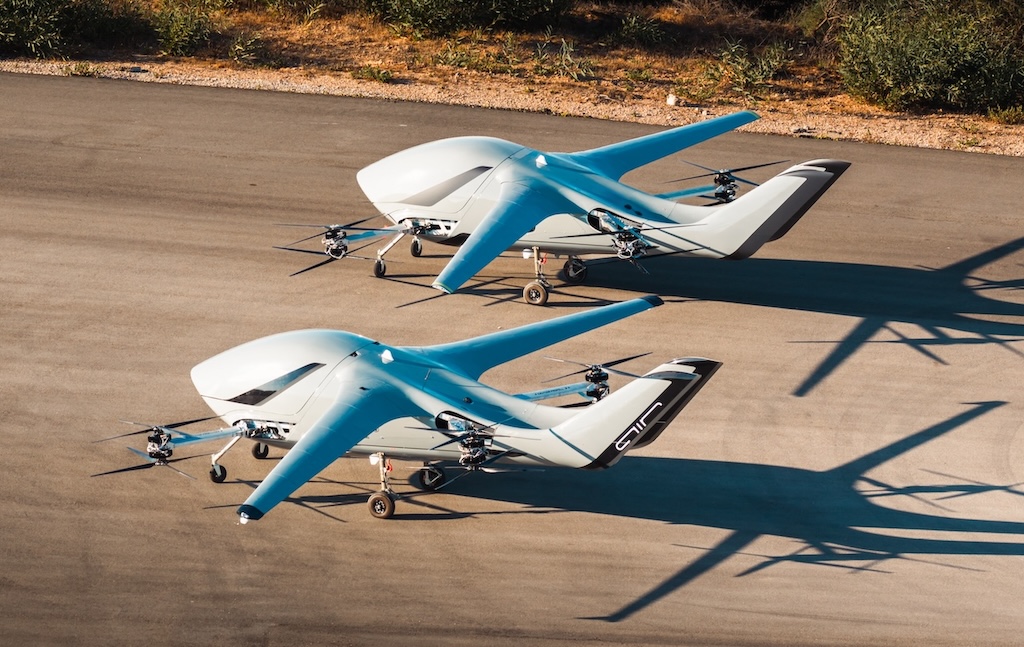
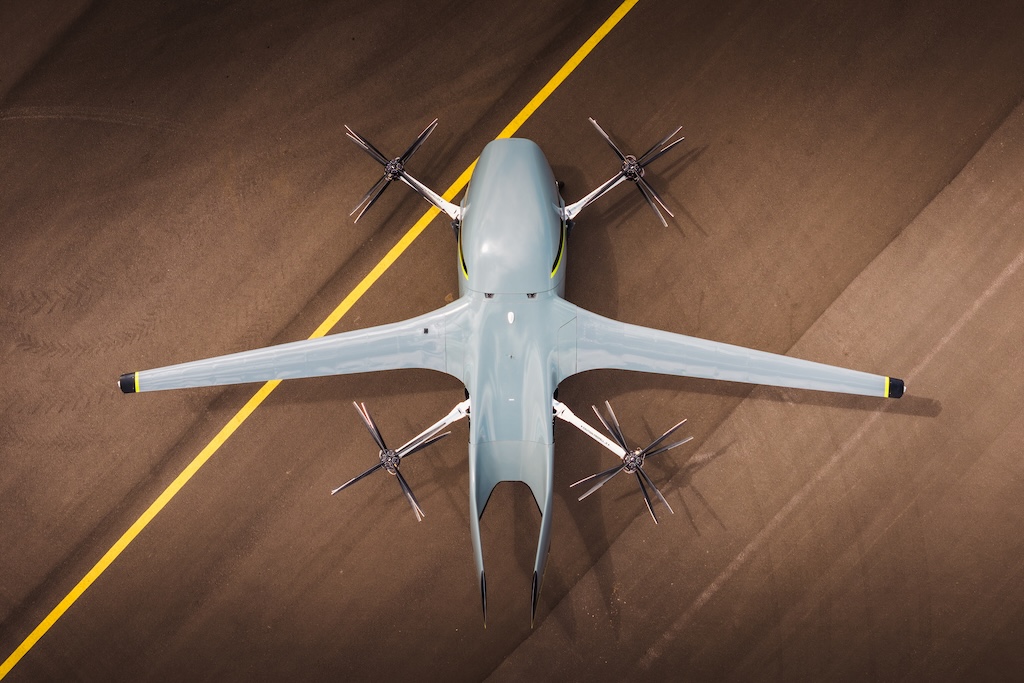
AIR's Heavy-Lift UAS uses eight electric motors to support vertical takeoff, landing, and flight.
But motors don't operate independently. They need electronic systems that precisely control how electrical power is delivered.
These systems, known as motor drives, regulate motor operation and play an important role in propulsion performance.
And because high-power electronics generate heat, they also need to be cooled.
In many high-power applications, that means adding a liquid cooling system, including pumps, tubing, coolant, and other components.
All of which take up space and add weight.
Elmo's Gold HV servo drives offer a different solution.
Their compact, high-efficiency design enables air-cooled operation, removing the need for a complex liquid cooling system while delivering precise and responsive control to the aircraft's eight propulsion motors.
The technology can supply 210A at 805V to each motor, using a high-power-density architecture designed to keep the system compact.
The result is a propulsion control system that can deliver substantial power without the additional weight and complexity associated with liquid cooling.
What Does That Mean for the Aircraft?
In heavy-lift aviation, reducing weight isn't simply about making an aircraft lighter.
It's about what that reduction makes possible.
Every kilogram saved on onboard systems contributes to the aircraft's overall weight budget, helping preserve capacity for useful payload.
For AIR's cargo aircraft, this approach contributes to one of the industry's highest payload-to-size ratios among autonomous cargo platforms.
And the implications go beyond engineering specifications.
Consider an autonomous aircraft delivering supplies to a military unit in a remote location, transporting cargo between vessels, or supporting humanitarian logistics where roads and runways are unavailable.
In these scenarios, the ability to carry substantial cargo in a relatively compact aircraft can make operations more flexible.
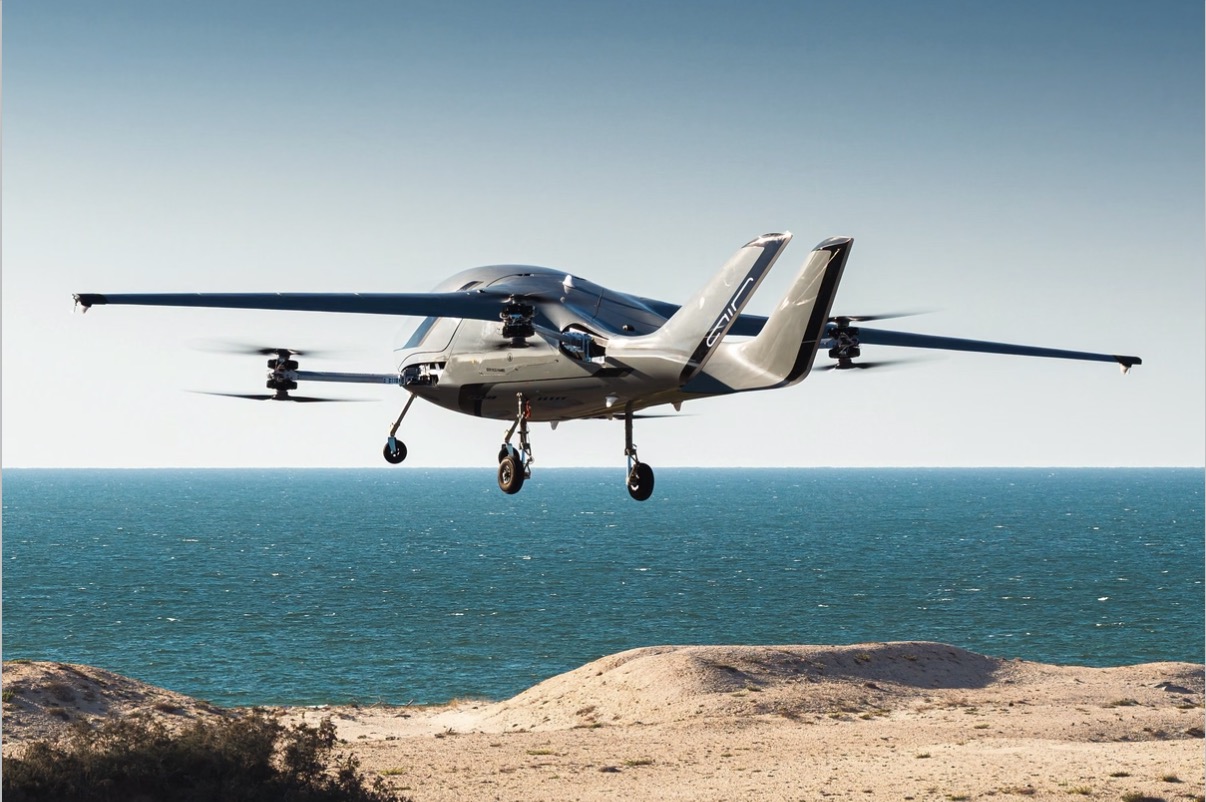
AIR's Heavy-Lift UAS combines a 550-pound payload capacity, approximately one hour of flight endurance, and vertical takeoff and landing capabilities.
Classified as a Group 4 UAS by the U.S. Department of Defense, the platform is designed for applications spanning defense logistics, commercial mid-mile delivery, maritime resupply, and humanitarian operations.
Two Technologies, One Aircraft
Elmo brings more than 37 years of motion control experience, with millions of servo drives operating across industries including robotics, industrial automation, and advanced manufacturing.
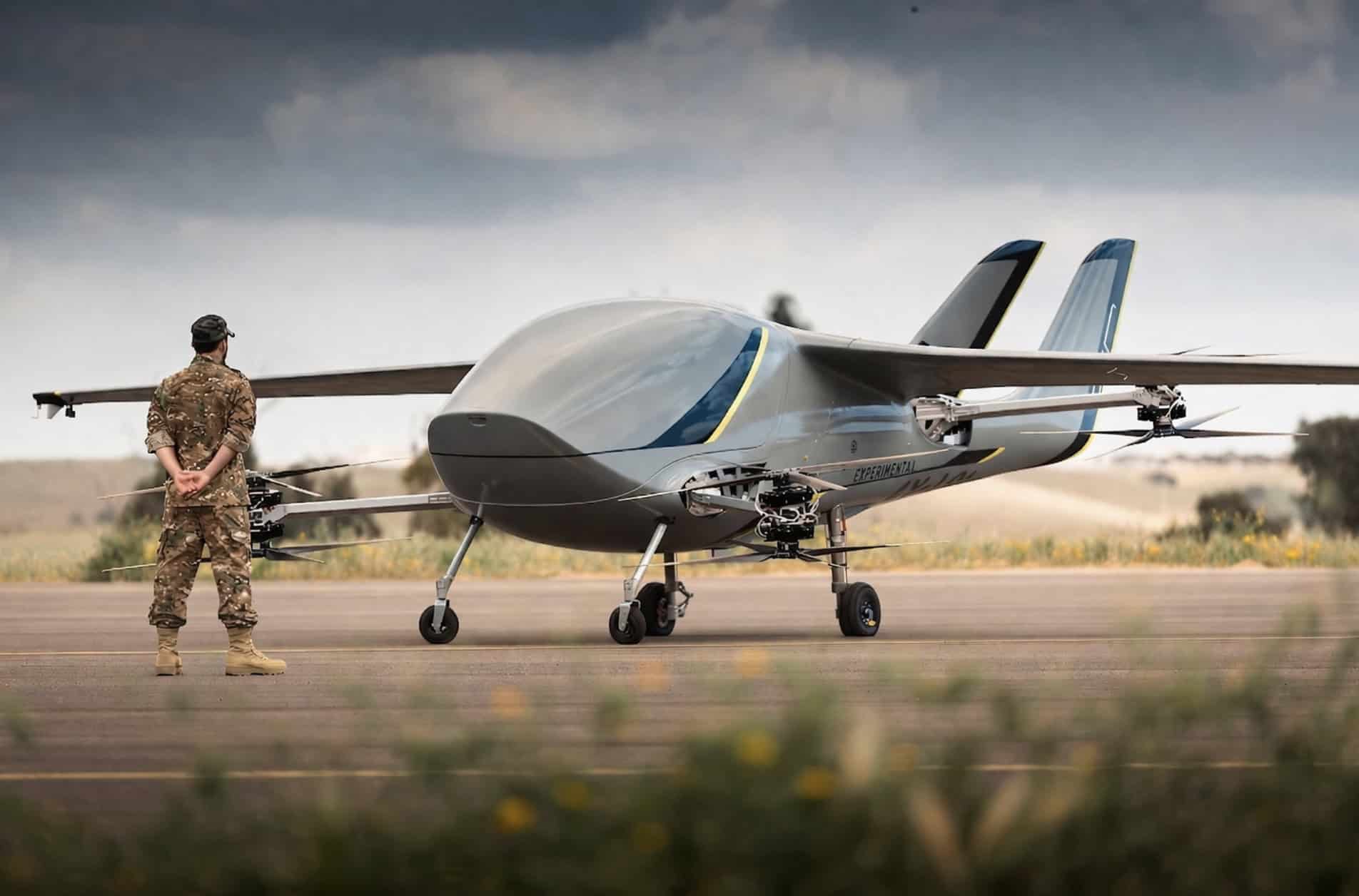
AIR brings the aircraft architecture and operational requirements of autonomous electric aviation.
The collaboration is an example of how technologies developed and refined across different industries can contribute to solving aviation-specific engineering challenges.
"Our uncrewed cargo platform is a mission-ready system, and this new partnership enhances our aircraft's ability to deliver performance and value while meeting operational demands," said Rani Plaut, CEO of AIR.
For Elmo, the project demonstrates how compact, high-power electronics can support demanding aerospace applications.
As Rami Chanan, VP Sales & Marketing at Elmo Motion Control, explained, the combination of high power, low weight, and compact size has helped AIR achieve an exceptionally high payload-to-size ratio.
Engineering That Makes a Difference
It's easy to focus on the most visible parts of an aircraft: its size, speed, payload capacity, or the fact that it can take off without a runway.
But much of what determines an aircraft's capabilities happens inside systems most people never see.
A more efficient motor drive. A lighter cooling architecture. A few components that no longer need to be there.
Individually, these may seem like relatively small engineering decisions. Together, they influence how much an aircraft can carry and how efficiently it can operate.
With more than 25 Heavy-Lift UAS units ordered and paid for at the time of the announcement, we're continuing to develop the technologies and partnerships needed to bring autonomous cargo aviation into wider operational use.
Our collaboration with Elmo is part of that process.
Because sometimes, improving an aircraft's capabilities isn't about adding more technology.
It's about finding smarter ways to use less.