.svg)
Defense
Mission Capability
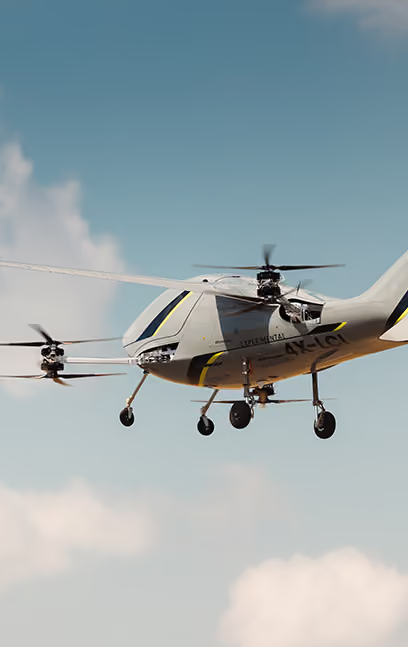
Designed for rapid deployment, AIR 120D operates in contested environments
with minimal infrastructure, extending mission reach and capability where traditional logistics can't follow.

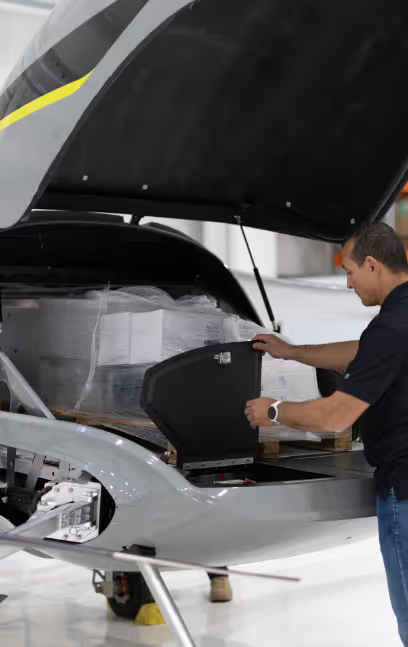
Modular Bay
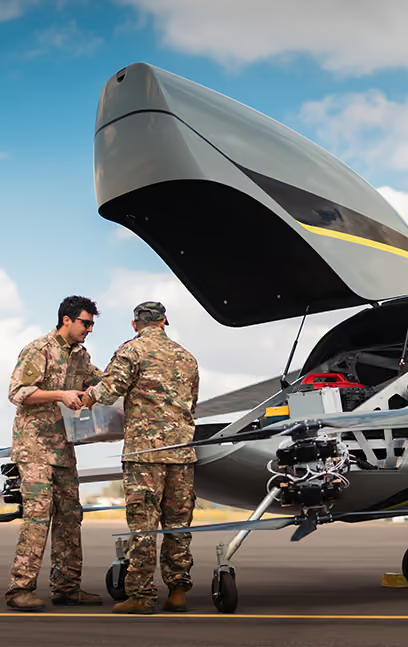
The modular bay is designed to adapt the aircraft to different mission types without redesigning the platform. It supports fast reconfiguration for varied payloads and equipment, helping operators switch between logistics, humanitarian support, and defense-oriented missions with minimal downtime.
Winch
The winch capability enables controlled pickup and delivery when landing is not possible or not desired. It supports precise lowering and retrieval of cargo in confined areas, uneven terrain, or sensitive zones, expanding mission options while reducing exposure time on the ground.
VTOL
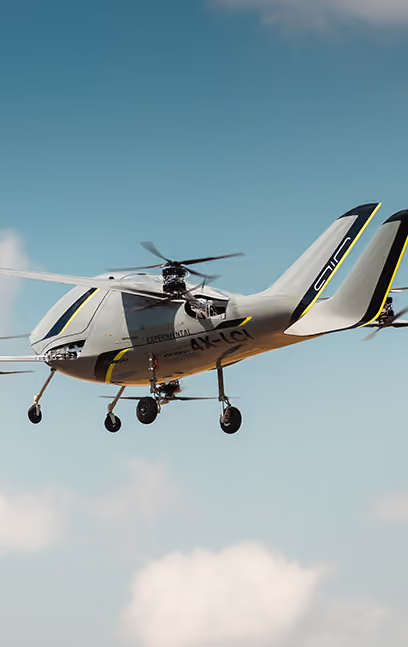
Vertical takeoff and landing (VTOL) capability allows operations from tight, improvised, or infrastructure-limited locations. This supports rapid deployment closer to the point of need and improves access to remote or contested areas where runways and prepared landing sites are unavailable.
Air Drop
Air drop capability enables delivery of supplies without landing, supporting time-critical missions and reducing operational risk. It is suited for resupply to remote teams, emergency response scenarios, and situations where ground access is constrained or unsafe.
All Weather – BVLOS
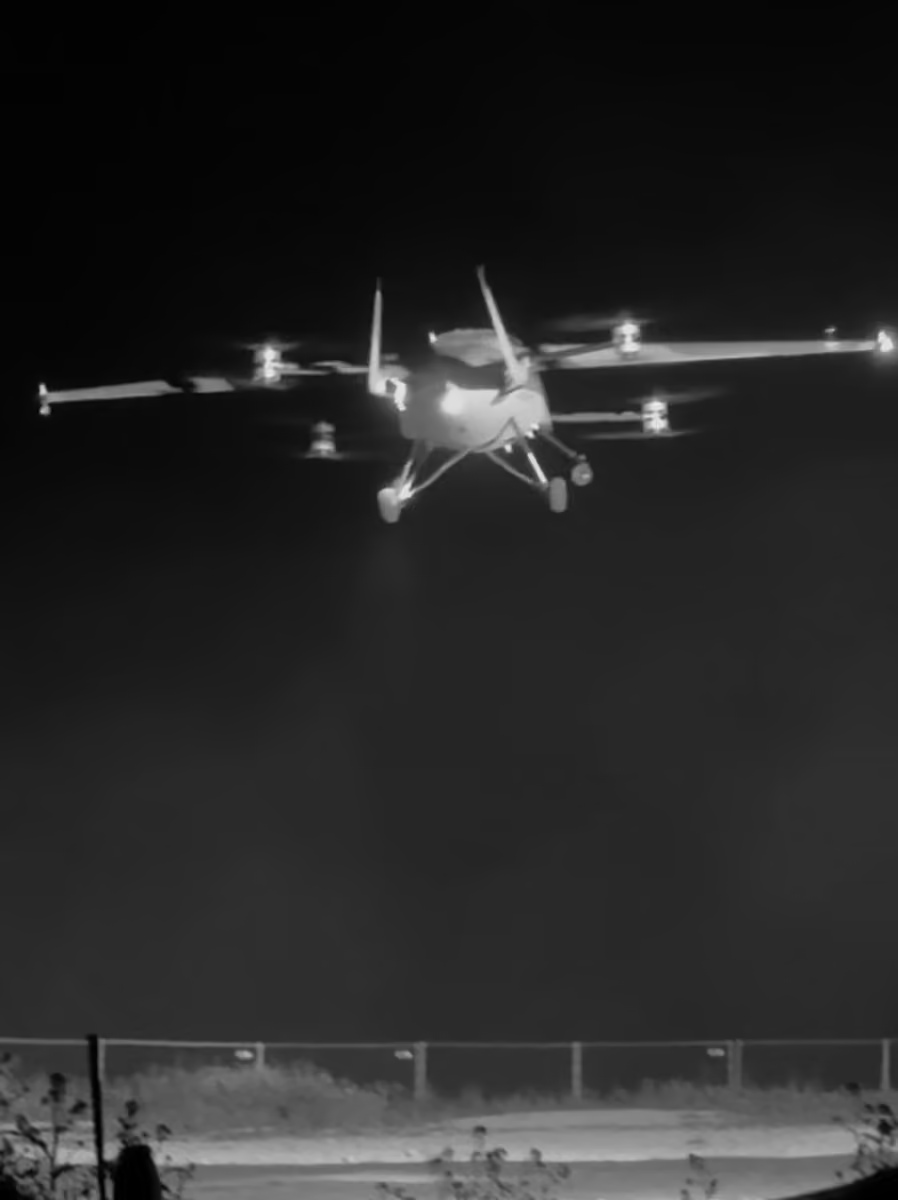
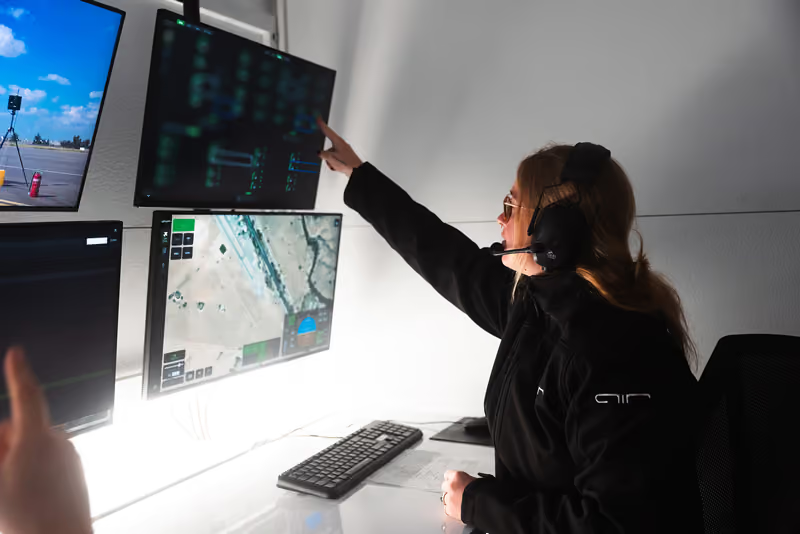
All-weather, beyond visual line of sight (BVLOS) operations are built to maintain mission continuity when conditions are challenging and distances are long. This capability supports reliable operations across wider areas with fewer personnel on-site, improving reach and responsiveness.
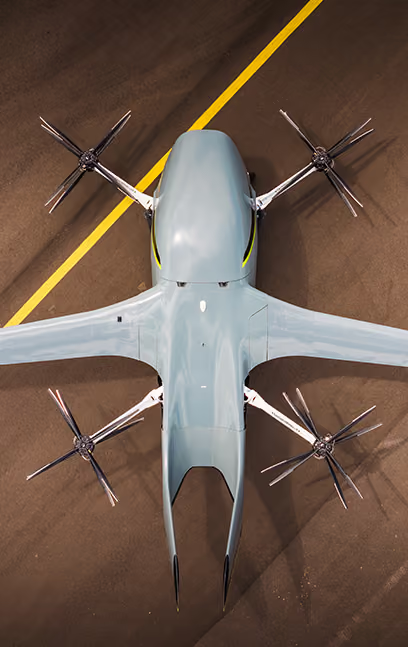
Swarm Logistics
Swarm logistics enables coordinated operation of multiple aircraft to move more cargo, cover more routes, or sustain higher tempo missions. By distributing tasks across a fleet, it improves resilience and throughput for large-scale resupply, humanitarian distribution, or multi-point delivery missions.
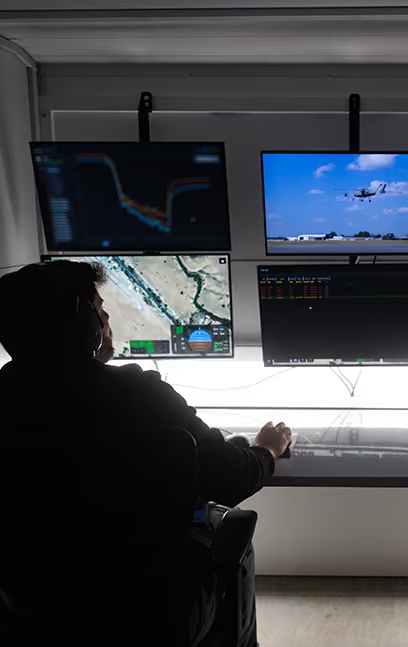
C2 Integration
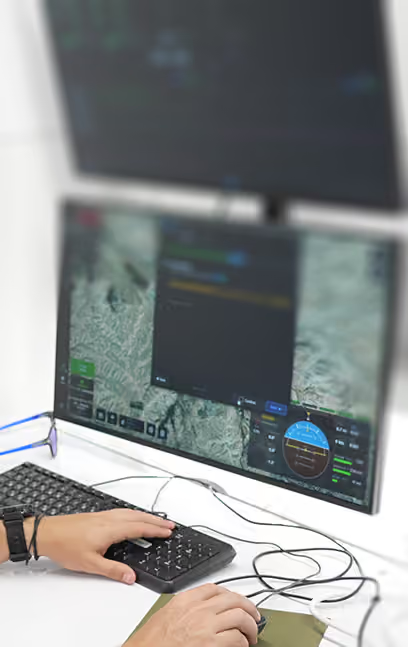
Command-and-control (C2) integration connects the aircraft into existing operational systems for planning, tasking, and oversight. This supports standardized workflows, clearer situational awareness, and smoother coordination with other assets and teams.
AI assisted Mission Planning and Fleet Management
AI-assisted mission planning and fleet management helps optimize routes, schedules, and asset utilization based on mission priorities and constraints. It supports faster planning cycles, better fleet availability, and more consistent execution across complex operations.
Encrypted Communications & GPS Denied Operation
Encrypted communications protect mission data and control links, supporting secure operations in sensitive environments. GPS-denied operation adds resilience when navigation signals are degraded or unavailable, helping maintain control and mission effectiveness under electronic warfare or interference conditions.
70 Cu.Ft.
Cargo Bay
115 kts
Fast Cruise Speed
550 Ib
Payload
Specifications & Performance
Airframe & Dimensions
Aircraft Type
Unmanned Aerial System -eVTOL (Electric Vertical Takeoff and Landing)
Configuration
Fixed-Wing Co-Axial Quadcopter with Vertical Takeoff and Landing Capability
Wingspan
36 Ft - Foldable
Empty Weight
2140 lb
MTOW
2690 lb
Cargo Bay
70 Cu.Ft.
Loading Type
Front Loading
Propulsion & Systems
Power System
4x Independent Li-Ion Battery Packs - 74Kwh
Propulsion
All-Electric - Distributed Electric Propulsion
Motor Type
Nidec 70Kw Brushless
Motor Redundancy
8 Independent Motors
Flight Control
Mobile Ground Control Station
Airframe Parachute
BRS System (optional)
Charging Time
1 hr w/ Fast Charger
Charger Type
NACS
Performance
Endurance
Up to 1 hour
Cruise Speed
85 Kts
Fast Cruise Speed
115 Kts
Maximum Operating Altitude
10,000 Ft
Useful Load
550 lb (250 kg)
Horsepower
771HP
Aircraft Architecture
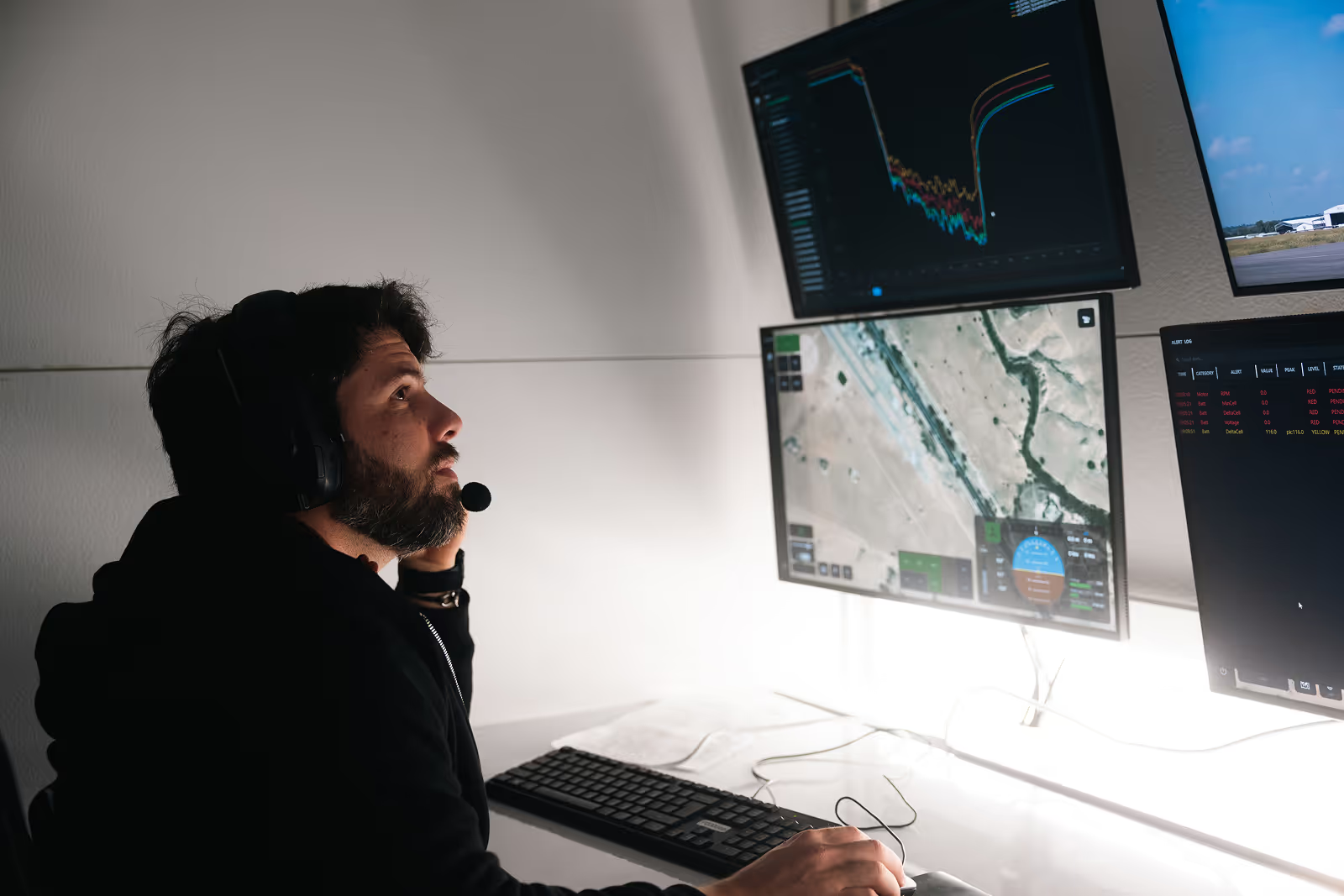
Data Link Scenario
Carries LTE, SATCOM, and tactical radio links simultaneously - as an always-active, multi-path communications architecture. If one link degrades or is lost, the system transitions to the next available path without interrupting control or telemetry.
For defense and autonomous logistics operations, the integrity of the flight control system is a mission - critical requirement and has been validated through operational flights.
Power
Built around an all-electric architecture, AIR 120D power system combines intelligent energy distribution with distributed propulsion to create a highly responsive and efficient flight platform. Power is continuously managed across the aircraft to optimize performance, maintain system balance, and support smooth flight behavior.
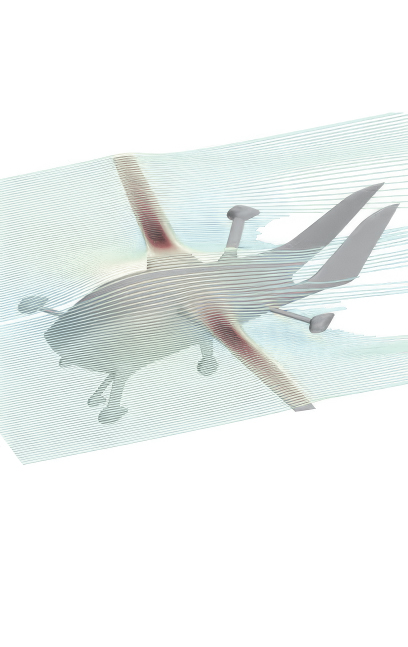
Aerodynamics
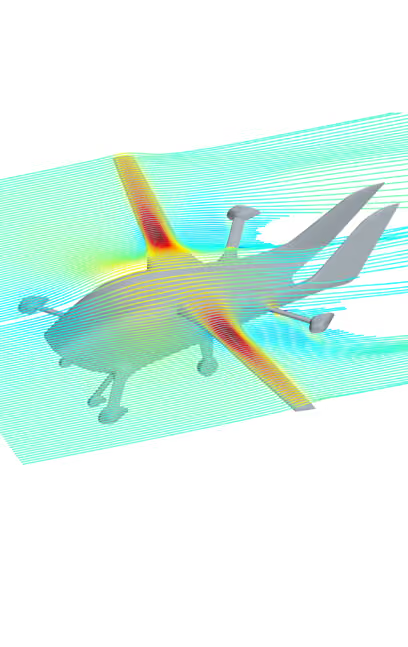
AIR 120D was engineered around a simple principle: utilization of airflow in forward flight. During cruise, approximately 60% of total lift is generated aerodynamically by the wings, reducing propulsion power demand and improving efficiency.
By avoiding tilt-motor architectures and other complex transition mechanisms, AIR 120D eliminates unnecessary weight and mechanical complexity while remaining optimized for its target cruise performance. The result is a simpler, lighter aircraft that achieves efficient forward flight through intelligent aerodynamic design.
Use Case
Built for the missions where speed, simplicity, and flexibility matter most. One common aircraft. Change the payload, not the platform.
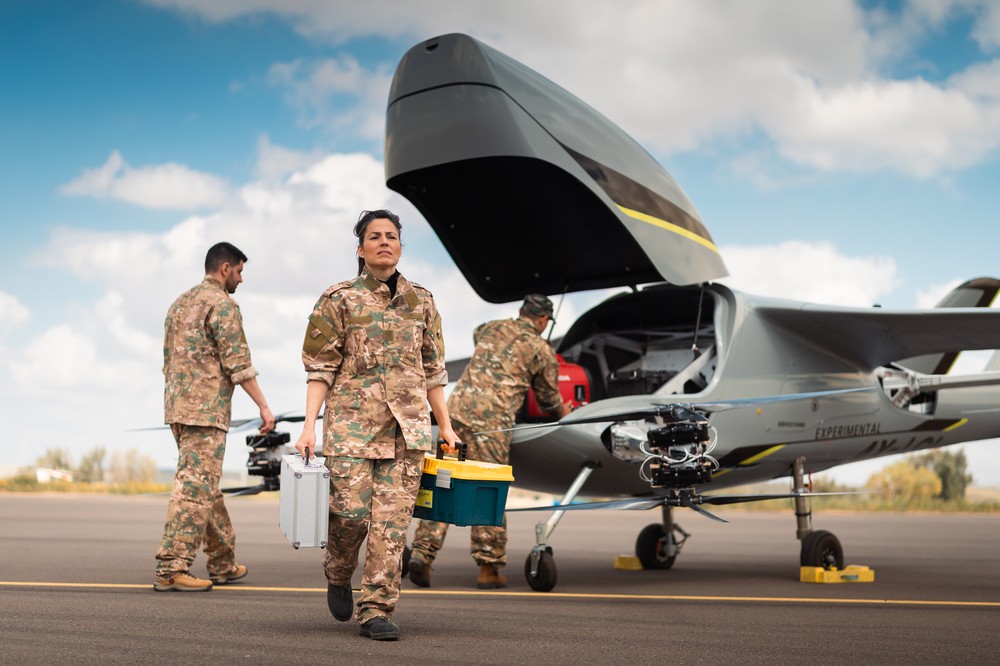
Send critical supplies to forward units on demand
550 lb useful load per sortie.
That's
- 400 MRE's
- 70 Gallons Water tank
- 80 Gallons Diesel tank
- 275 First Aid kits
- 5 - 8 person Field Tents
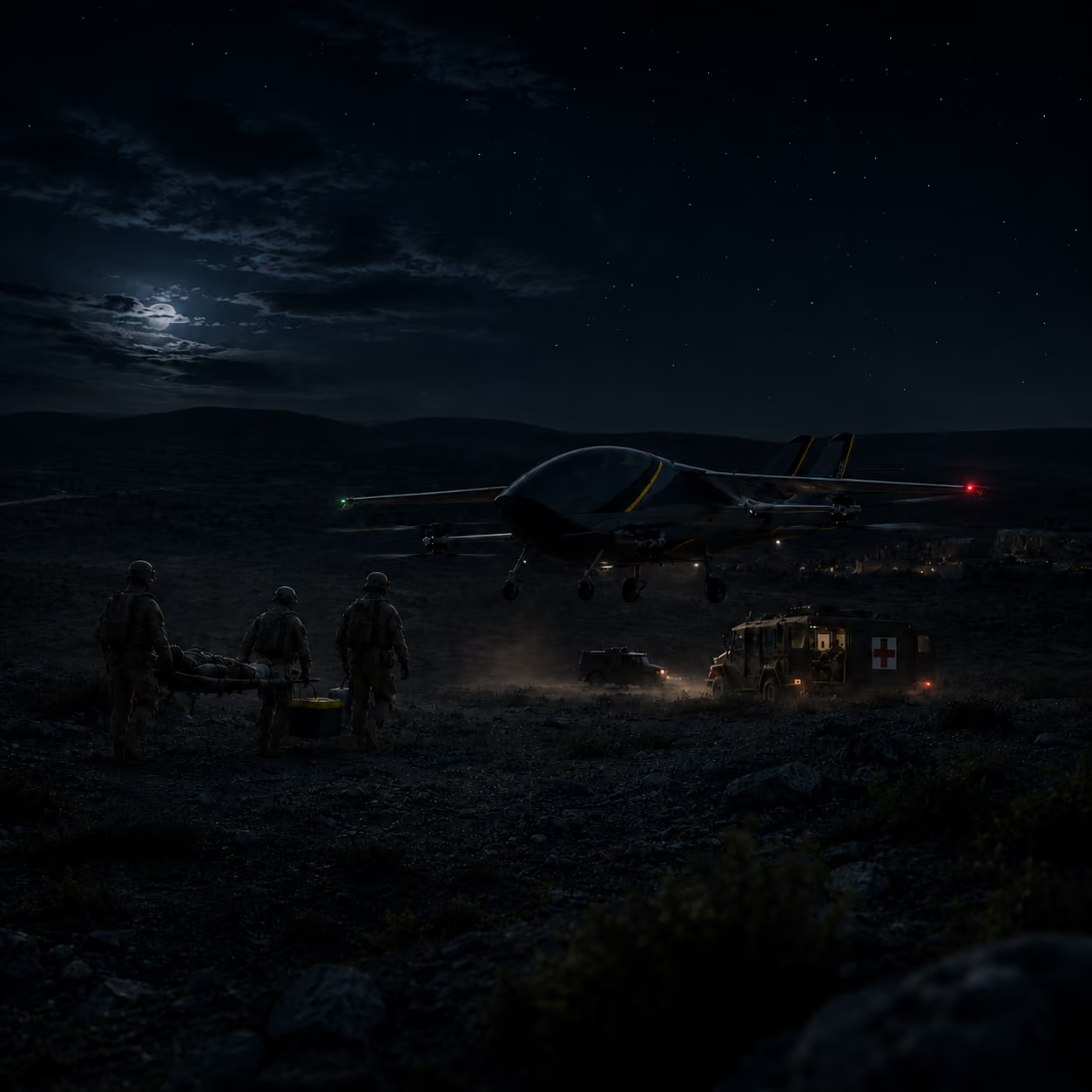
Reach casualties in contested environments with zero risk to flight crews or rescue teams
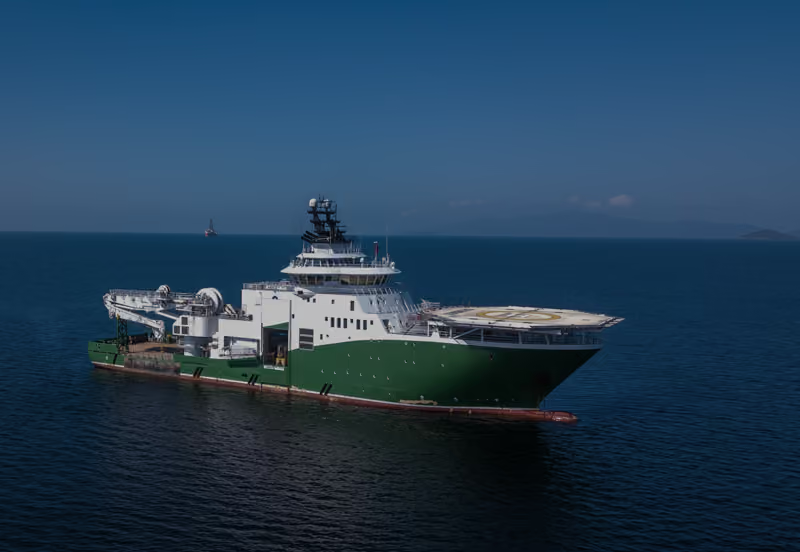
Move parts, tools, equipment, and mail in ship to ship and ship to shore scenarios
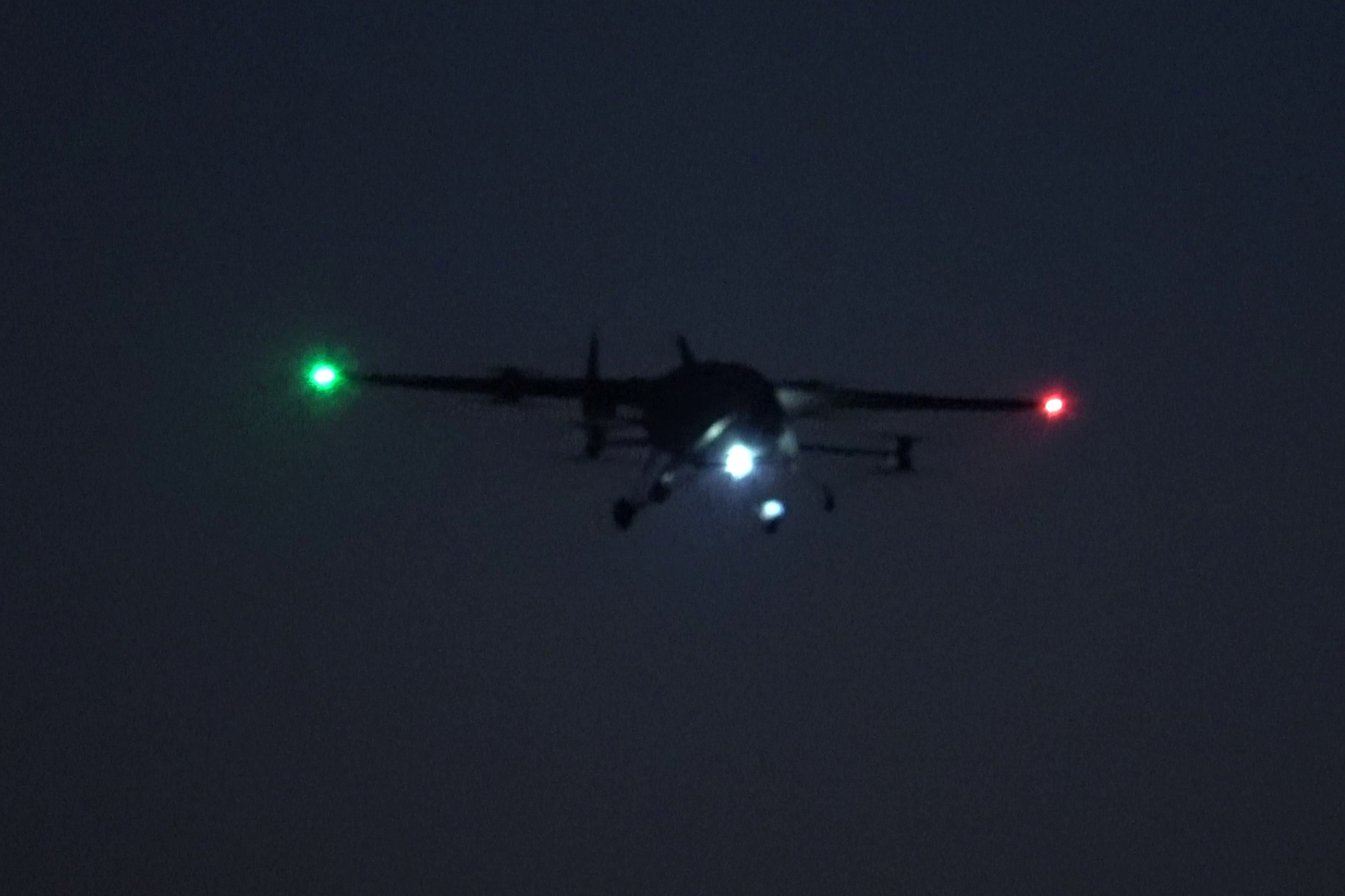
Ship-to-Ship and Ship-to-shore
Infrastructure
Designed for rapid deployment, AIR 120D operates with minimal infrastructure requirements and integrates into existing logistics networks without traditional runway dependency.
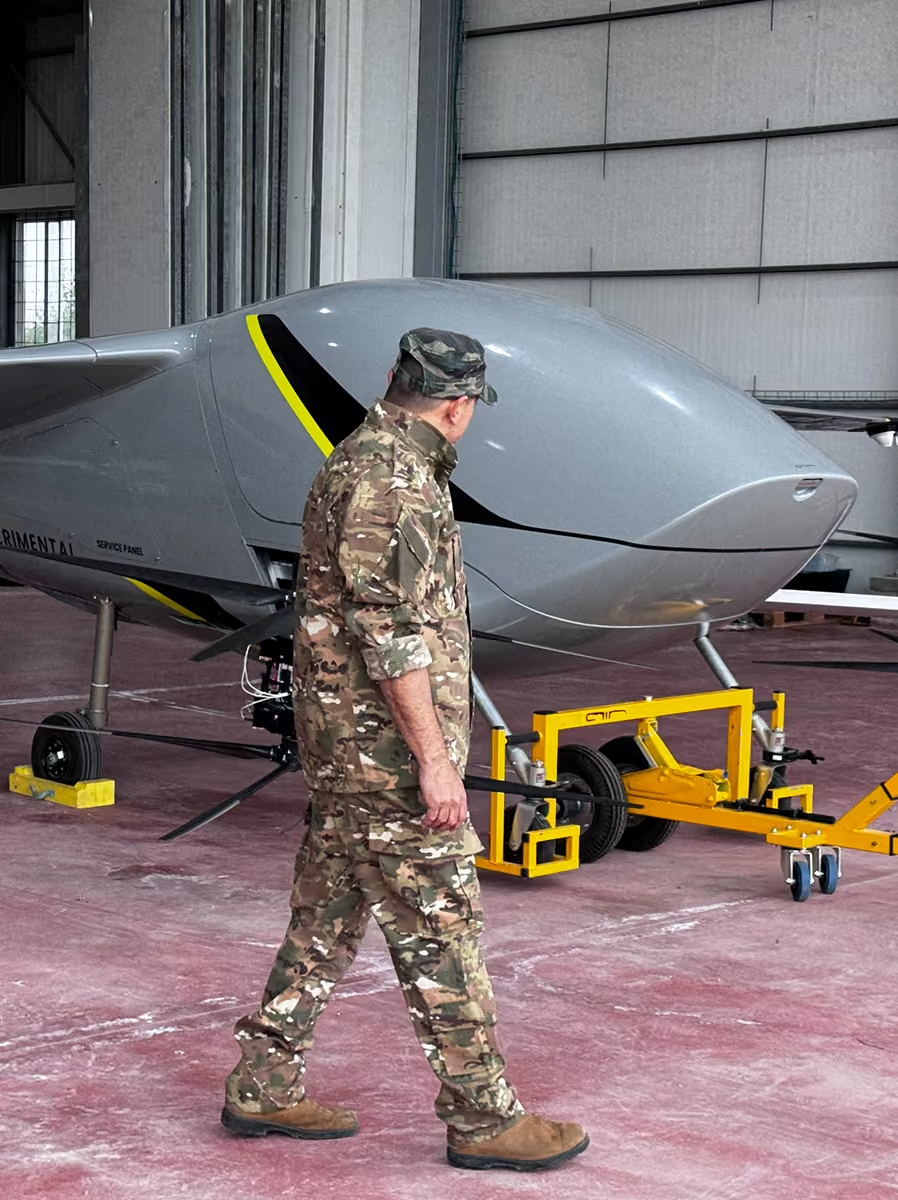
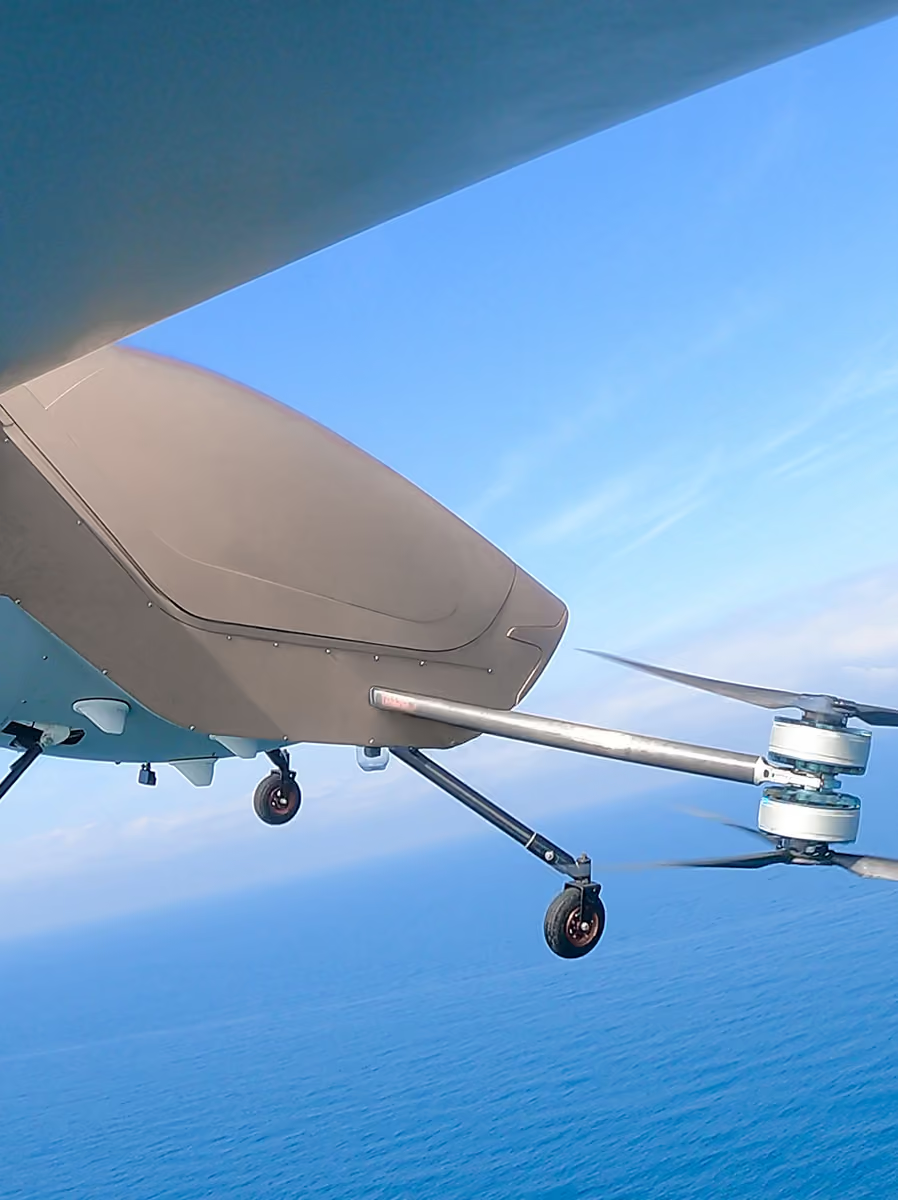
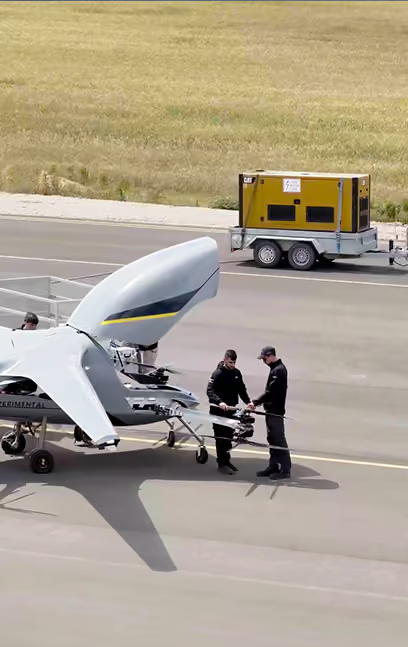
Forward Failed Deployment
AIR 120D is designed to operate within distributed and rapidly deployable forward base environments, integrating seamlessly into lightweight logistics infrastructure rather than requiring traditional aviation facilities. The system supports operations from austere locations, mobile staging areas, and temporary mission bases with minimal setup requirements.
With a focus on interoperability and operational flexibility, AIR 120D aligns with modern expeditionary logistics concepts - enabling efficient loading, deployment, and turnaround in constrained environments. The result is a platform built to extend reach, enhance availability, and support sustained operations closer to the point of need.
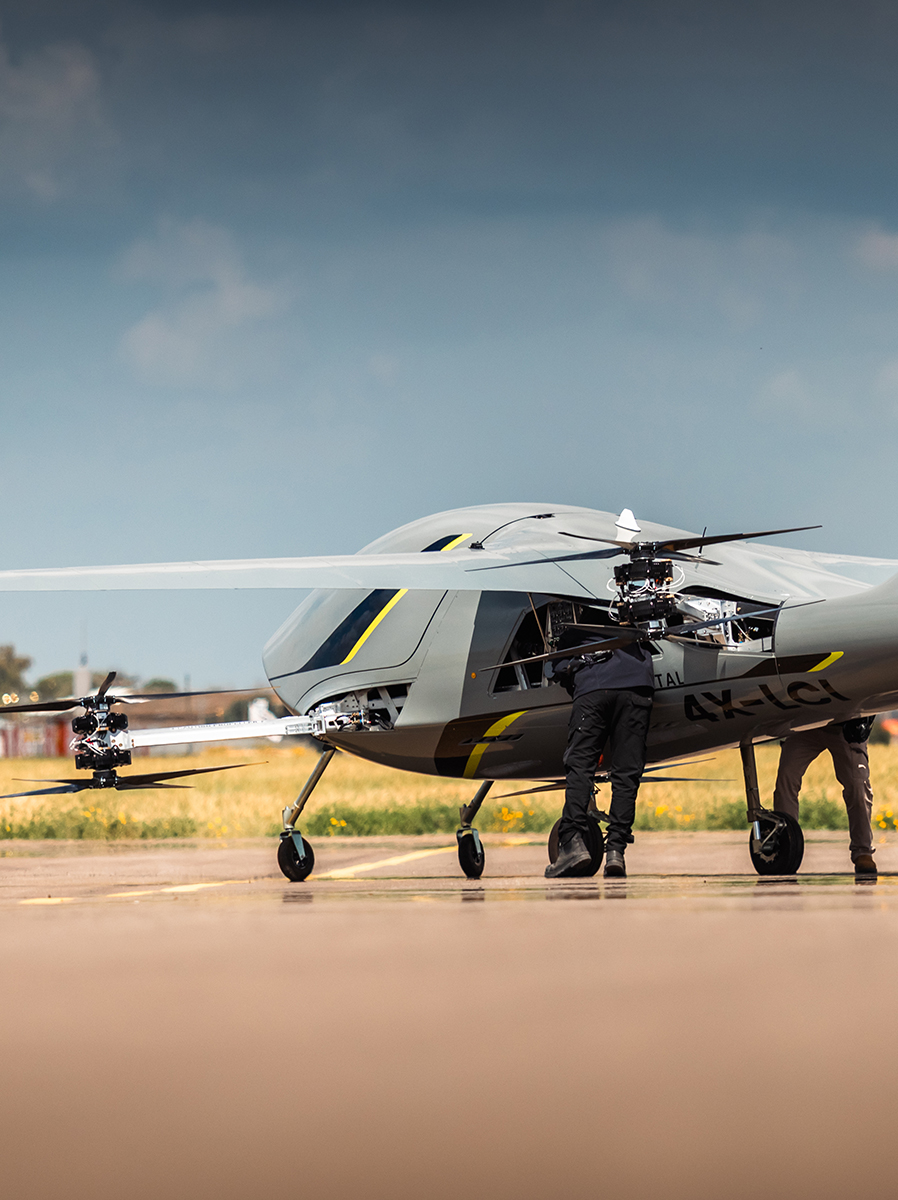
Maritime Operation
AIR 120D is designed to integrate with offshore maritime environments, enabling operations from ship decks, mobile sea platforms, and other constrained marine infrastructure. Its compact footprint, folding-wing configuration, and simplified ground handling allow it to operate within the spatial and operational limits of offshore decks without reliance on traditional runway infrastructure.
Built for rapid launch and recovery cycles, AIR 120D supports time-sensitive logistics at sea, extending supply reach to vessels, rigs, and remote maritime assets. The result is a flexible aerial logistics capability that connects offshore operations with critical supply chains onshore and at the edge of the operational theater.
Charging
AIR 120D is designed to integrate seamlessly into existing military and expeditionary power ecosystems, minimizing the need for dedicated charging infrastructure. Compatible with the NACS charging standard, the aircraft can leverage commercially available high-power charging networks when operating from fixed bases or dual-use facilities.
For forward-deployed and austere environments, AIR 120D supports charging from portable generators, tactical microgrids, and other mobile power sources, enabling sustained operations where permanent infrastructure is unavailable or contested.
The result is a flexible energy architecture that reduces logistical burden while supporting rapid deployment, distributed operations, and mission readiness across a broad range of operational environments.