Apr 15, 2026
AIR's Heavy-Lift Cargo Aircraft Completes First Flight in Production Configuration
Getting an aircraft off the ground is a major engineering achievement. But getting it to perform the same mission, over and over again, in unpredictable conditions? That's a different challenge entirely.
An aircraft might perform perfectly during a controlled demonstration. But what happens when it's operating in darkness, exposed to dust, or expected to fly multiple missions under demanding conditions?
These are the kinds of questions that have shaped the development of AIR's autonomous cargo aircraft over the past two years.
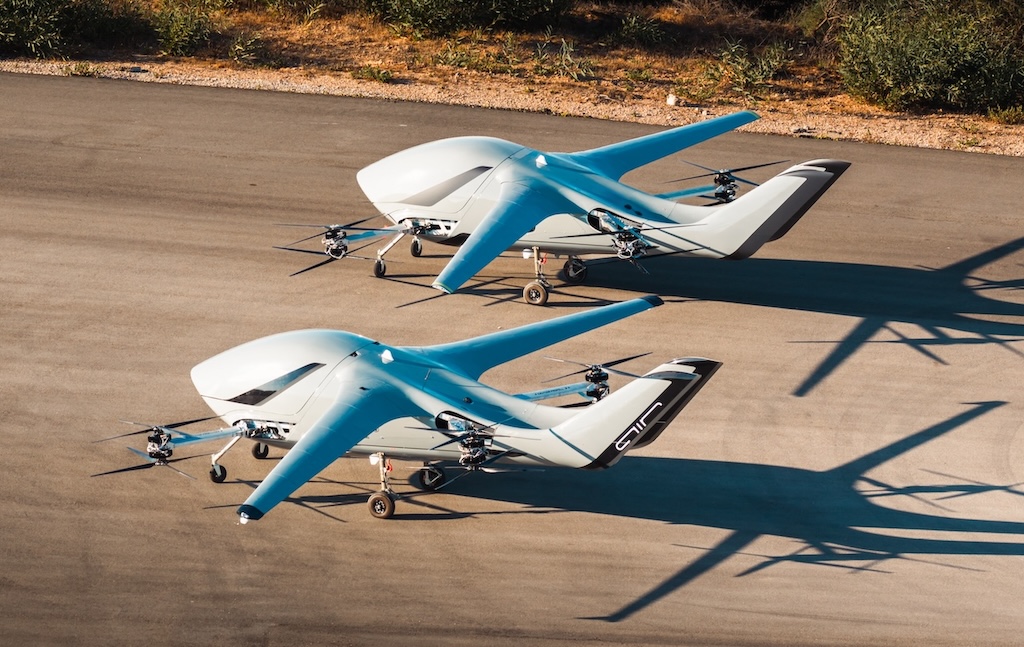
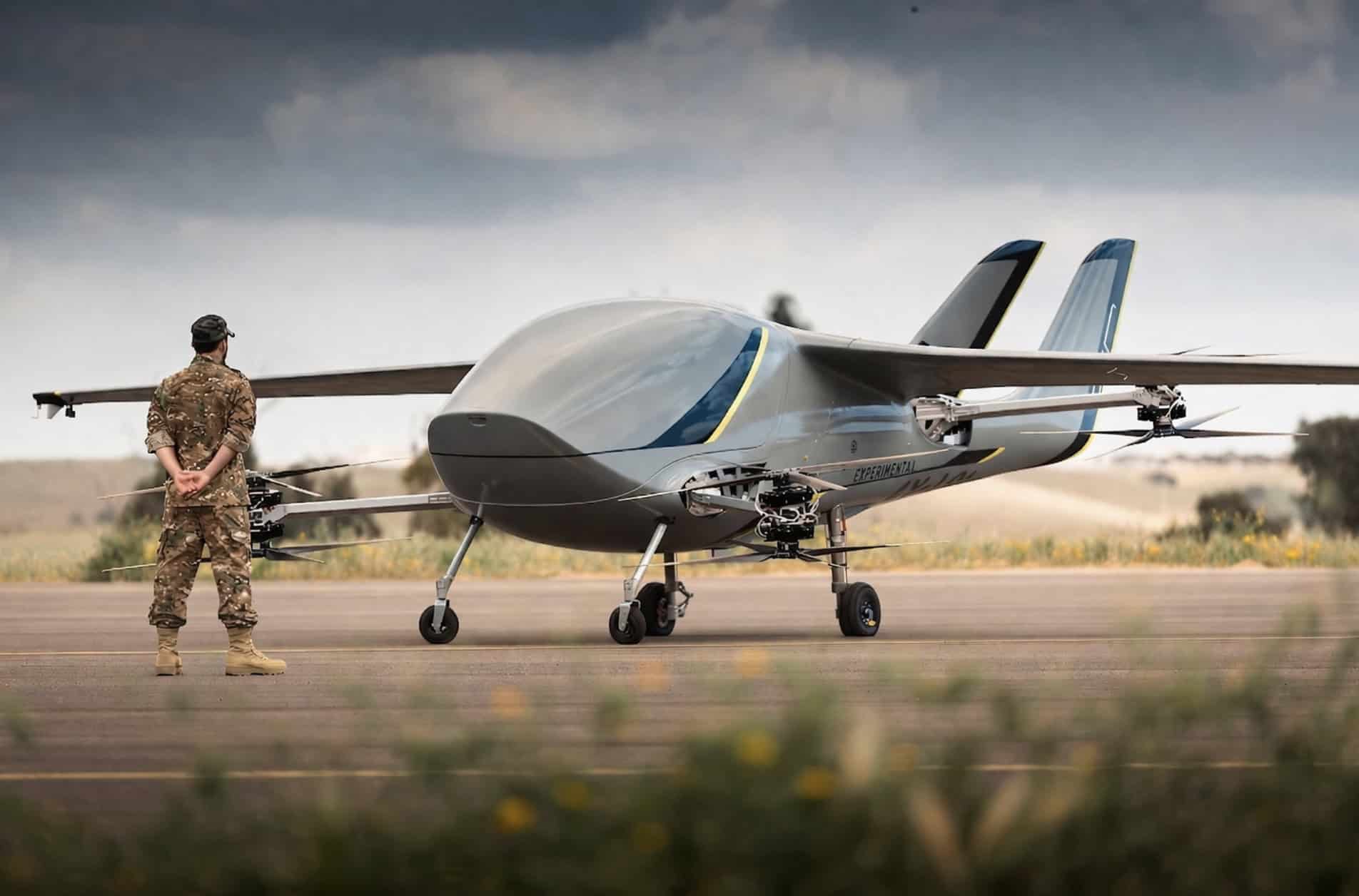
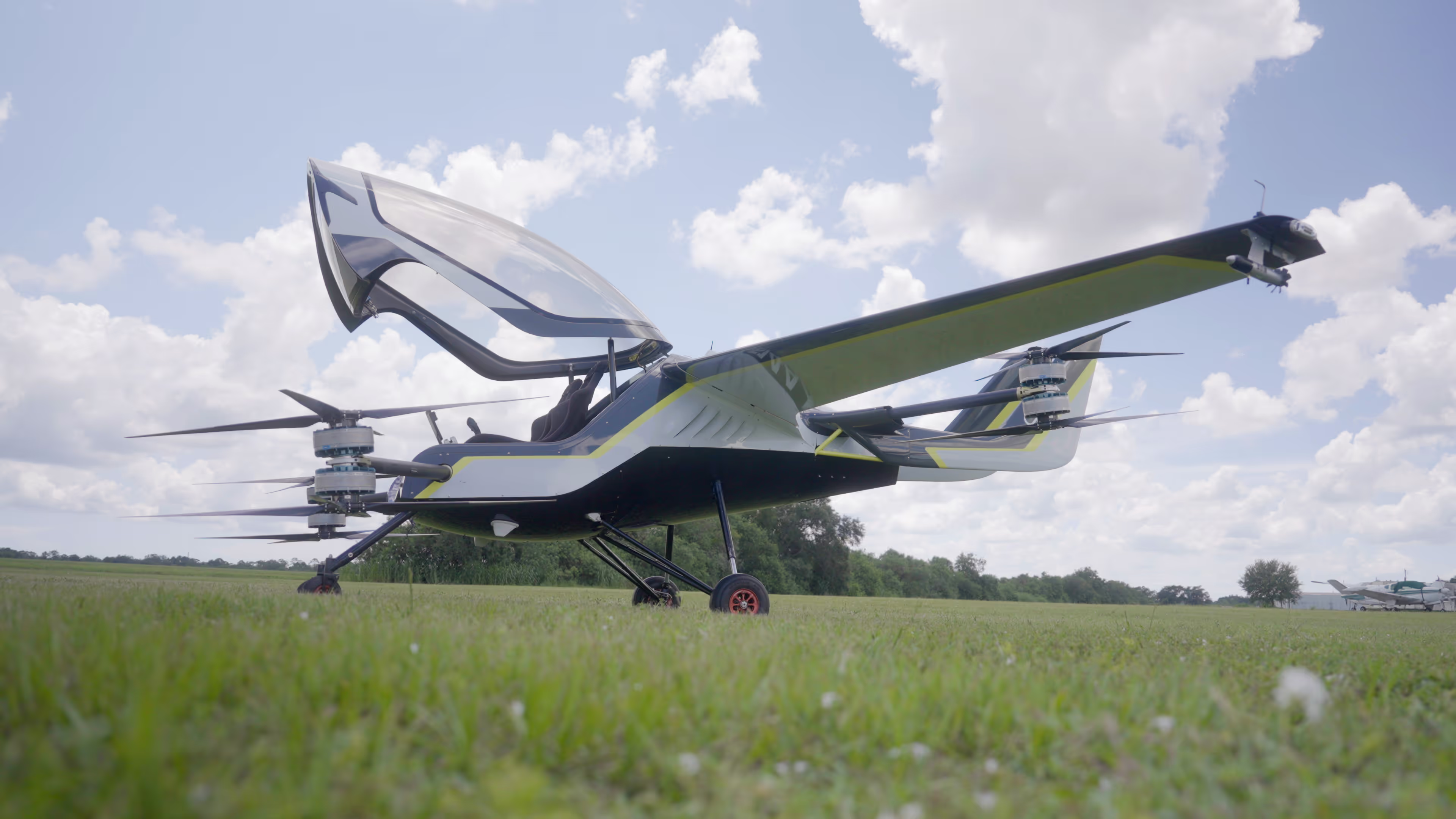
And in April 2026, that work reached an important milestone: the first successful flight of our production Heavy-Lift UAS, one of the world's largest unmanned aircraft capable of vertical takeoff and landing.
The Difference Between Flying and Working
The first version of an aircraft is rarely the version that eventually enters production.
Between those two stages lies an enormous amount of engineering work, much of which happens far away from the cameras.
For AIR, that process involved hundreds of flights, operational experience, and direct feedback from customers using earlier aircraft in real-world conditions.
Every flight offered an opportunity to understand how the aircraft behaved outside ideal test environments. And every lesson informed the next iteration.
The production configuration reflects that accumulated experience.
It incorporates next-generation electric motors, an advanced battery system, matured avionics, and updated autonomous flight logic, all developed with a focus on consistent, repeatable operations.
As Chen Rosen, AIR's CTO and Co-Founder, explained:
"Every design decision, from the motors to the flight logic, was stress-tested against what operators actually encounter in the field. The result is an aircraft built not just to fly, but to work."
Why 550 Pounds Changes the Conversation
When most people think of delivery drones, they imagine relatively small aircraft carrying individual packages.
But there's another category of autonomous aviation emerging, one designed to move significantly larger loads.
AIR's Heavy-Lift UAS can carry approximately 550 pounds (250 kg) of cargo in a 70-cubic-foot compartment.
And unlike conventional cargo aircraft, it doesn't need a runway.
That combination matters because the challenge in logistics isn't always the distance between two points. Sometimes, it's the infrastructure required to connect them.
A military unit may need supplies in an area where ground transportation is restricted. A ship may require cargo without returning to port. A community affected by a natural disaster may have lost access to its roads.
In these situations, the ability to move substantial payloads directly between locations creates possibilities that conventional logistics systems may struggle to provide.
The aircraft falls within the U.S. military's Group 4 UAS classification, a category relevant to larger unmanned systems operating in demanding environments.
And because the platform was developed for dual-use applications, the same underlying technology can support defense, commercial cargo, maritime logistics, and humanitarian missions.
The Less Visible Side of Autonomy
Autonomous flight is often described in terms of removing the pilot from the aircraft.
But the engineering challenge goes much further.
A system designed for repeated autonomous missions needs to manage flight consistently, respond to changing conditions, and reduce the amount of intervention required from its operators.
For a heavy-lift aircraft, this becomes particularly important. The goal isn't simply to demonstrate autonomous flight once, but to make it dependable across different missions and operating conditions.
That's why AIR's development process has focused not only on the aircraft's physical systems, but also on the software and flight logic that control them.
The production configuration brings these developments together in an aircraft designed for repeatable mission execution and future high-volume manufacturing.
From Hundreds of Flights to One Production Aircraft
There's something interesting about a first flight that comes after hundreds of previous flights.
Technically, it's a beginning. But in many ways, it's also the result of everything that came before it.
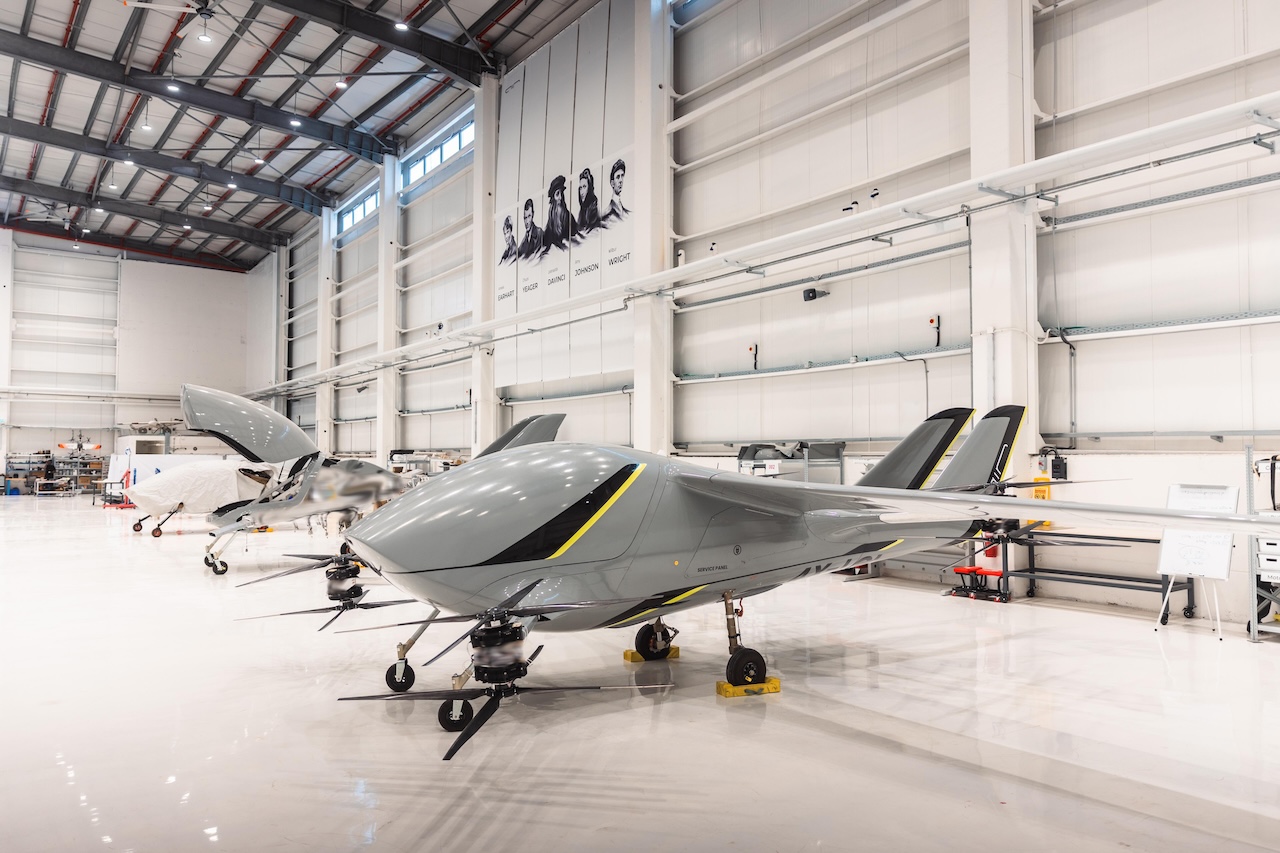
The aircraft that took off in April wasn't an isolated prototype developed to prove an idea. It was a production configuration shaped by more than two years of operational development, engineering iterations, and customer feedback.
By the time of the announcement, more than 25 units had already been ordered and paid for, reflecting demand for heavy-lift autonomous cargo capabilities.
For AIR, the milestone represents progress toward a larger objective: developing aircraft that can be produced at scale and used for practical logistics missions.
As Rani Plaut, CEO and Co-Founder of AIR, put it:
"We've spent two years refining this aircraft against real operational demands, not benchmarks or simulations. Delivering that now, at this scale, is what we set out to do."
The first flight of a new aircraft is always worth celebrating.
But for an aircraft designed to carry critical supplies into difficult environments, the more important question is what happens on the hundredth flight, and the thousandth.
That's the challenge we're working to solve.