Jun 3, 2026
AIR Selects Dynon Avionics to Bring Proven Flight Technology to Its Smart Aircraft
Aircraft have changed dramatically over the past century. Cockpits have gone from dozens of mechanical gauges to sophisticated digital displays, and modern flight computers can now handle tasks that once demanded constant attention from pilots.
But designing the cockpit of an electric aircraft that takes off and lands vertically introduces a new set of questions.
What information does a pilot actually need to see? How should an aircraft communicate its energy status? And how do you make increasingly sophisticated flight systems easier to operate, rather than more complicated?
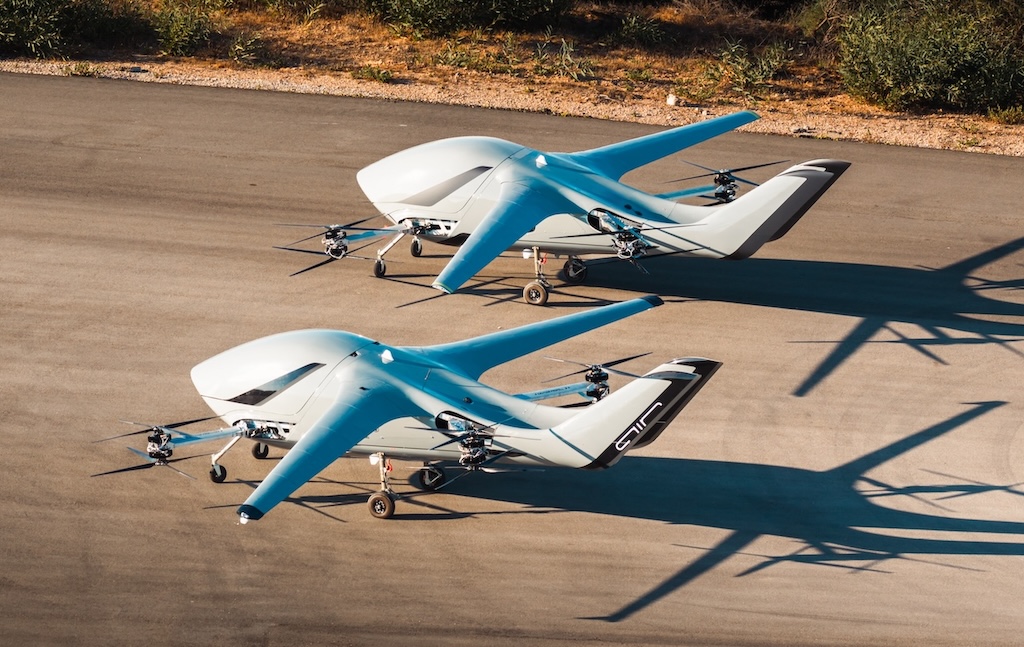
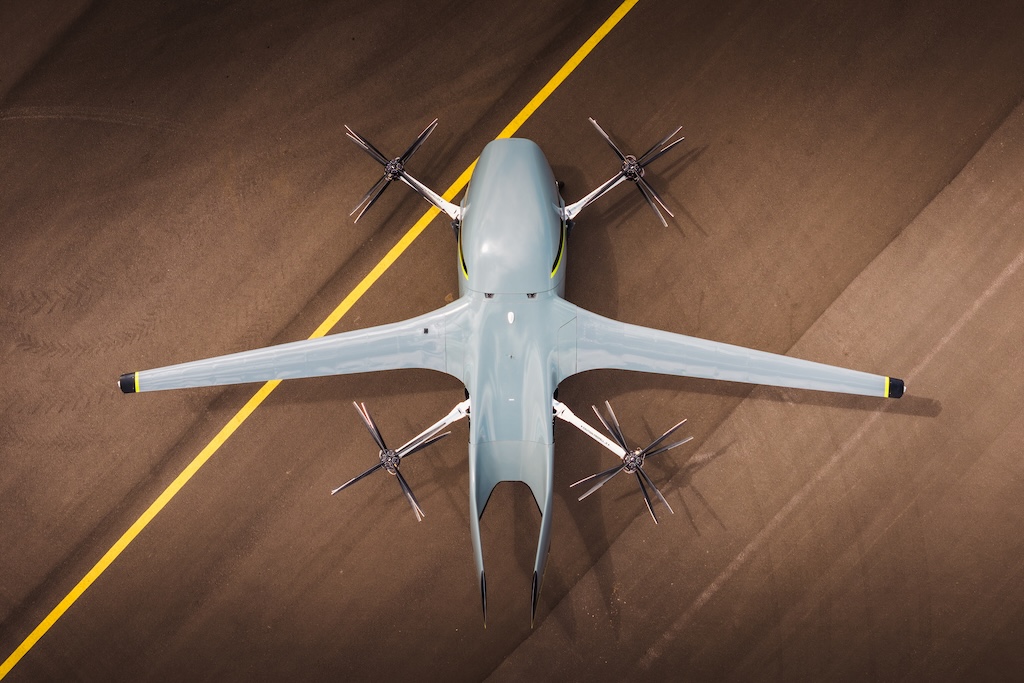
These are some of the challenges behind our partnership with Dynon Avionics, which we selected in June 2026 as the exclusive avionics provider across AIR's aircraft portfolio, including AIR ONE and our Heavy-Lift Unmanned Aerial System (UAS).
The collaboration brings together two different areas of expertise: Dynon's established flight display technology and AIR's approach to electric aviation.
What Happens When You Rethink the Cockpit?
In a conventional aircraft, pilots rely on instruments to understand how the aircraft is performing. Airspeed, altitude, navigation, engine status, and other essential information must all be monitored throughout a flight.
Modern avionics have made that process considerably easier.
Instead of interpreting numerous separate gauges, pilots can access integrated flight information through digital displays. This is commonly known as a glass cockpit.
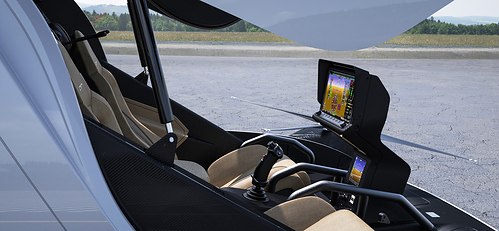
Dynon's SkyView HDX is one example of this technology. Used widely in general aviation and light aircraft, it combines flight instruments, navigation, aircraft monitoring, and situational awareness into a high-resolution touchscreen interface.
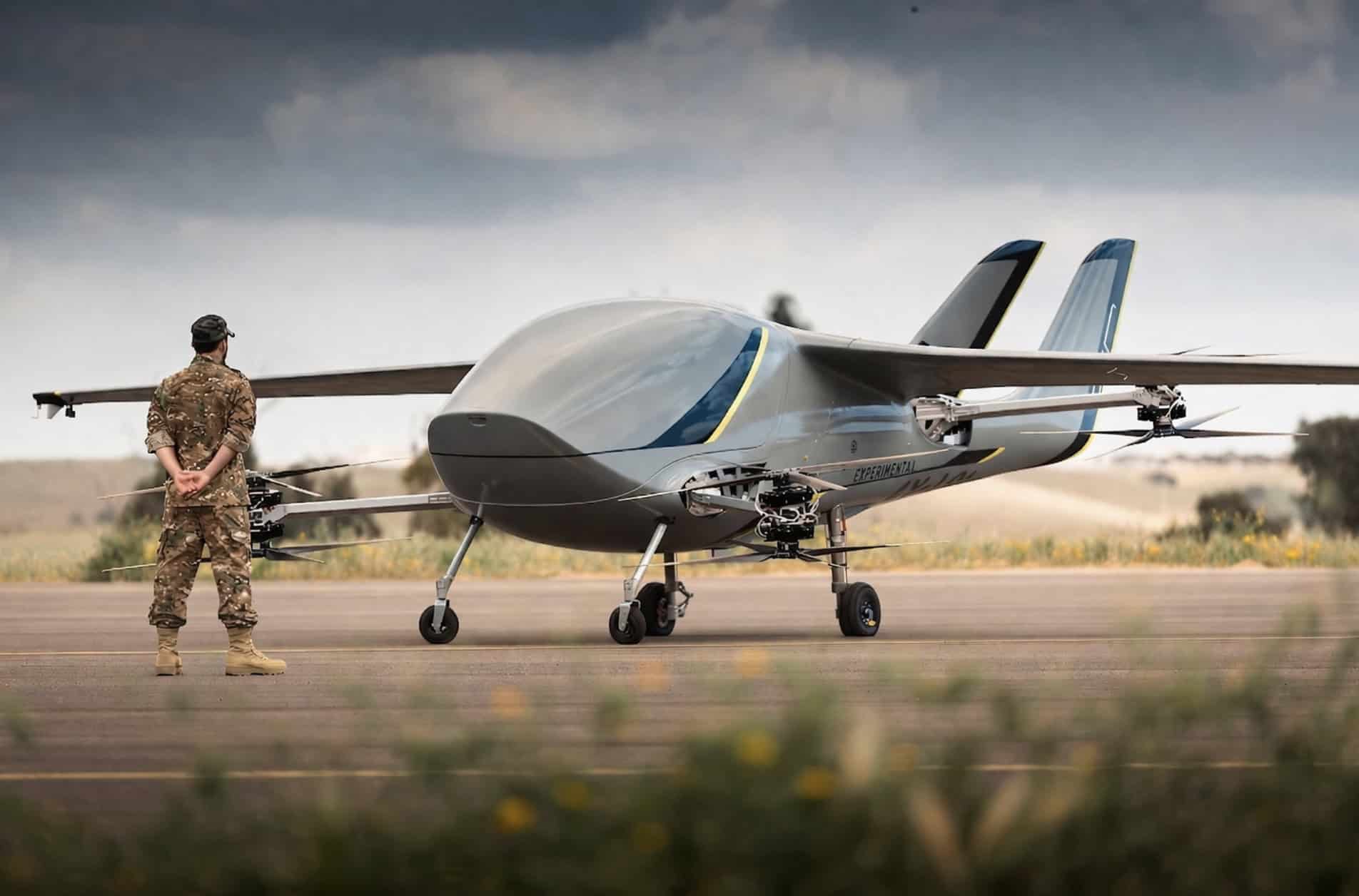
But AIR ONE isn't a conventional aircraft.
Its electric propulsion architecture, vertical takeoff and landing capabilities, and energy management requirements create demands that traditional fixed-wing and rotorcraft systems weren't originally designed around.
And those differences become particularly interesting when you look inside the aircraft.
Take a closer look at AIR ONE: In this walkthrough from EAA AirVenture 2026, AIR's Gil Charnes introduces the aircraft's design, cockpit, and approach to personal aviation.
Simply installing an existing avionics package wouldn't address all of AIR ONE's requirements.
So rather than treating SkyView HDX as an off-the-shelf component, our engineering teams worked with Dynon to adapt the platform specifically to AIR's aircraft architecture.
The Challenge of Making Complex Systems Feel Simple
One of the most important jobs of an aircraft's avionics is deciding how information reaches the pilot.
Consider energy management.
In a conventional aircraft, fuel quantity and engine performance are familiar parts of the cockpit environment. In an electric aircraft, monitoring propulsion and available energy requires a different approach.
The pilot still needs a clear understanding of the aircraft's condition, but that information must reflect the characteristics of electric flight.
The customized SkyView HDX integration addresses these requirements while maintaining the intuitive interface for which Dynon is known.
The underlying platform includes synthetic vision, moving-map navigation, terrain awareness, integrated aircraft systems monitoring, and customizable flight displays.
Synthetic vision, for example, creates a computer-generated representation of the surrounding terrain, helping pilots maintain spatial awareness even when outside visibility is limited.
And by bringing multiple sources of flight information into a common display environment, modern avionics can reduce the need to constantly switch attention between separate instruments.
The objective isn't to show pilots everything an aircraft's computers know. It's to present the information that matters in a way they can understand and act on.
As Rani Plaut, AIR's CEO and Co-Founder, explained:
"From the start, AIR has focused on making advanced flight systems intuitive, safe, and accessible. Working with Dynon allows us to bring proven avionics capability into a fundamentally new aircraft environment that demands more than a standard integration, while keeping the simplicity and operational clarity that define how we think about flight."
Why Build on Existing Aviation Technology?
There's an interesting balance involved in developing an entirely new category of aircraft.
Some technologies need to be redesigned to support new capabilities. Others have already benefited from decades of engineering, testing, and operational experience.
Knowing which is which matters.
Dynon has more than 25 years of experience in aviation, with its technology serving tens of thousands of aircraft across general aviation categories.
Its SkyView HDX platform already provides capabilities such as integrated primary and multifunction flight displays, autopilot functionality, ADS-B traffic and weather information, and redundant system architecture.
For AIR, that provides an established technological foundation that can be adapted to a different aircraft environment.
And the collaboration isn't limited to personal aviation.
The partnership also covers our Heavy-Lift UAS, developed for autonomous cargo transportation across defense, commercial, and humanitarian applications.
A two-seat personal eVTOL and an uncrewed cargo aircraft have very different operating requirements. Yet both depend on reliable aircraft systems, accurate information, and carefully integrated electronics.
Adapting a common avionics platform to these different configurations is part of the engineering work behind AIR's broader aircraft portfolio.
As Brad Thurow, President of Dynon, explained:
"SkyView HDX is built to adapt to evolving aircraft architectures. Partnering with AIR allows us to take the proven reliability of SkyView HDX, which pilots rely on daily, and extend it directly into the advanced air mobility space."
A Different Way to Think About Advanced Aviation
For a long time, aviation technology has been associated with increasingly sophisticated machines that require highly specialized people to operate them.
But sophistication and complexity don't have to mean the same thing.
An aircraft can become more advanced internally while becoming more intuitive for the person interacting with it.
That's one of the principles guiding our work at AIR, and a key reason for partnering with Dynon.
As electric propulsion, flight computers, and aircraft interfaces continue to evolve, the cockpit is evolving with them.
The challenge is no longer just what information an aircraft can collect or display.
It's how intelligently that information can be used to make flying simpler, clearer, and safer.