Jul 20, 2026
AIR Unveils Its Most Advanced AIR ONE Configuration at EAA AirVenture Oshkosh
What does the next version of an aircraft look like after thousands of test flights?
Sometimes, the most important changes aren't immediately visible.
A redesigned structure, a more efficient propulsion system, a different cockpit layout. Each might seem like an individual improvement, but together they determine how an aircraft performs, how it feels to operate, and eventually, how it can be manufactured.
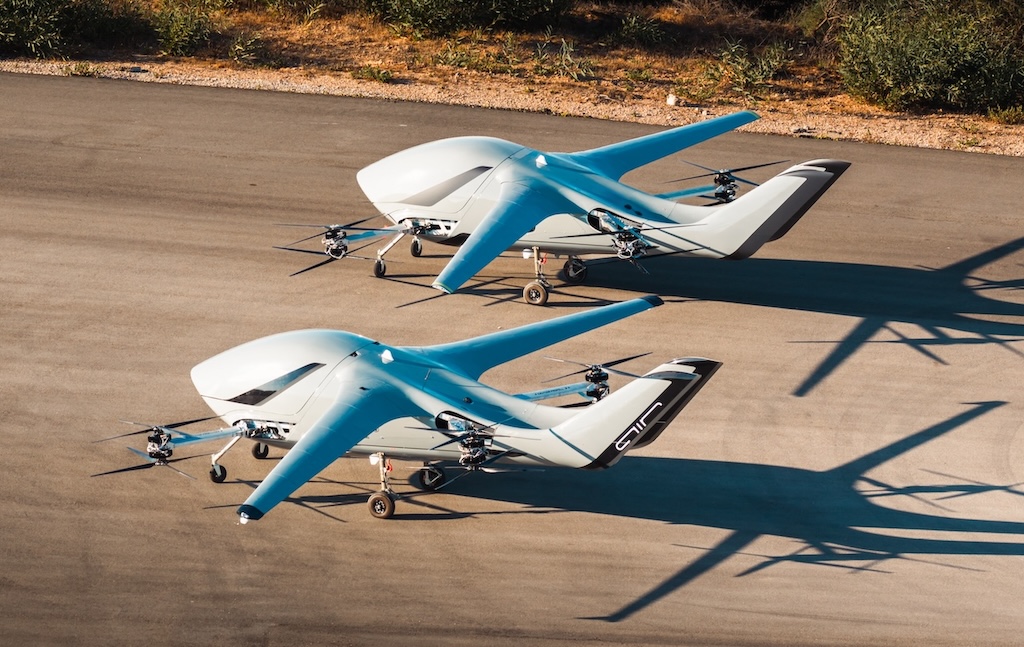
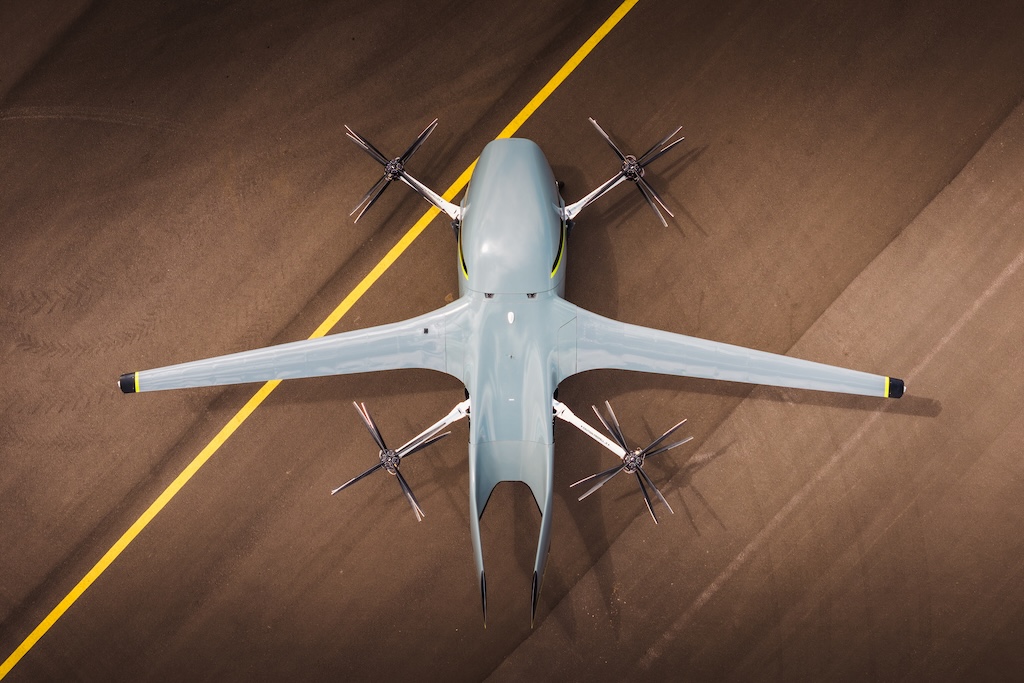
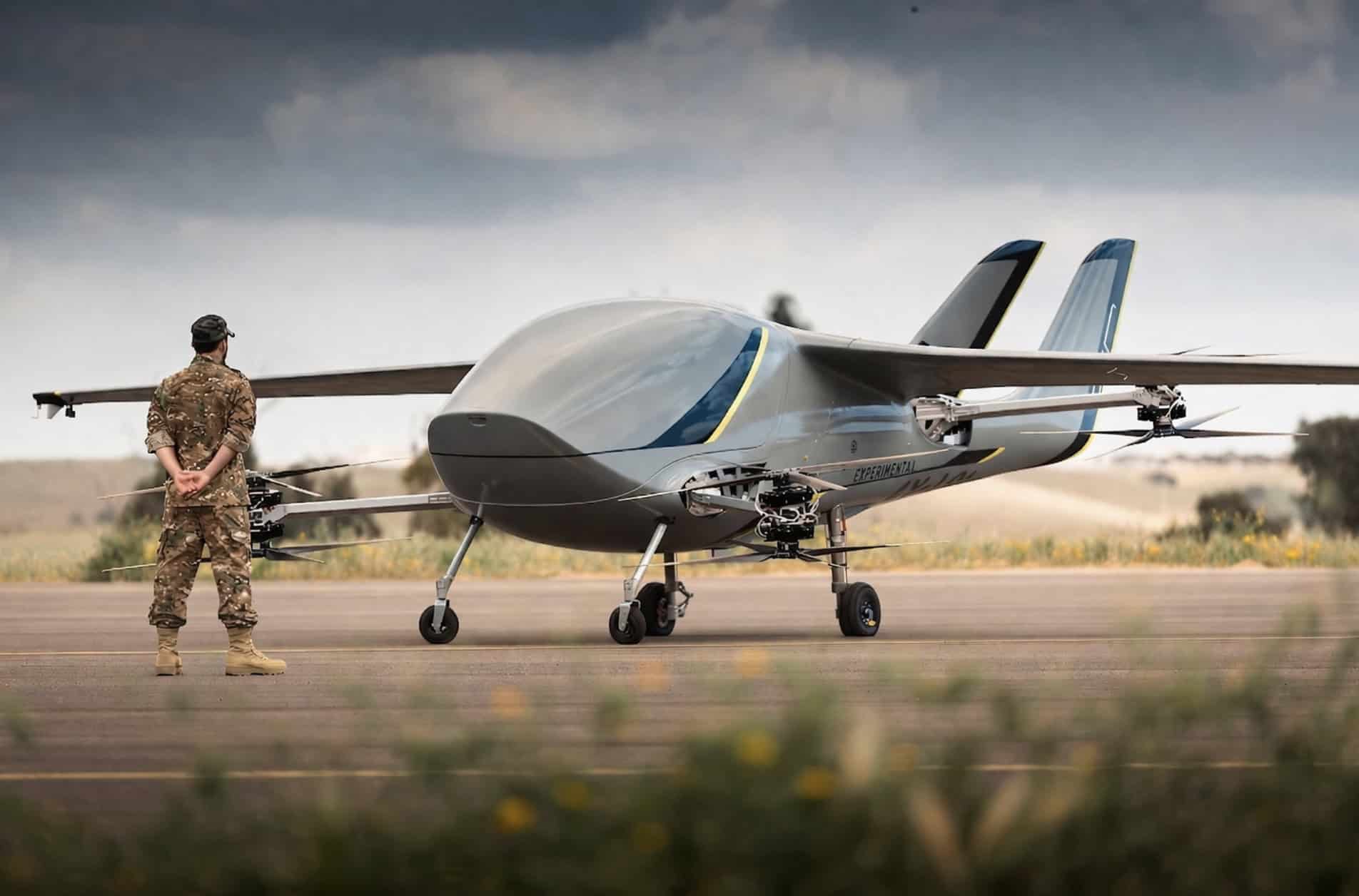
At EAA AirVenture Oshkosh 2026, we introduced the latest configuration of AIR ONE, our two-seat electric VTOL aircraft, bringing years of engineering development into a version specifically designed to support the next major stage of the program: piloted flight testing.
Thousands of Flights, One Aircraft at a Time
Developing a new aircraft is rarely a straight line from the first prototype to the finished product.
Every test flight generates information. Engineers study how the aircraft responds, how its systems perform, and where improvements can be made.
Those lessons become particularly valuable when developing an aircraft that combines electric propulsion with vertical takeoff and landing.
AIR ONE has evolved through multiple prototypes and thousands of test flights. The aircraft unveiled at Oshkosh reflects that accumulated experience, with updates extending from its internal systems to the way a pilot interacts with the cockpit.
As Rani Plaut, AIR's CEO and Co-Founder, explained:
"Every version of AIR ONE builds on what we've learned in the air. This latest configuration was purpose-built for piloted flight testing, and every enhancement brings us another step closer to making aviation more accessible."
What's Actually Changed?
One of the biggest developments is the aircraft's structure.
Working with EDAG, we introduced an updated airframe engineered to improve structural design and manufacturability.
That second part is especially important. Designing an aircraft that performs well is one challenge; designing one that can be produced consistently is another.
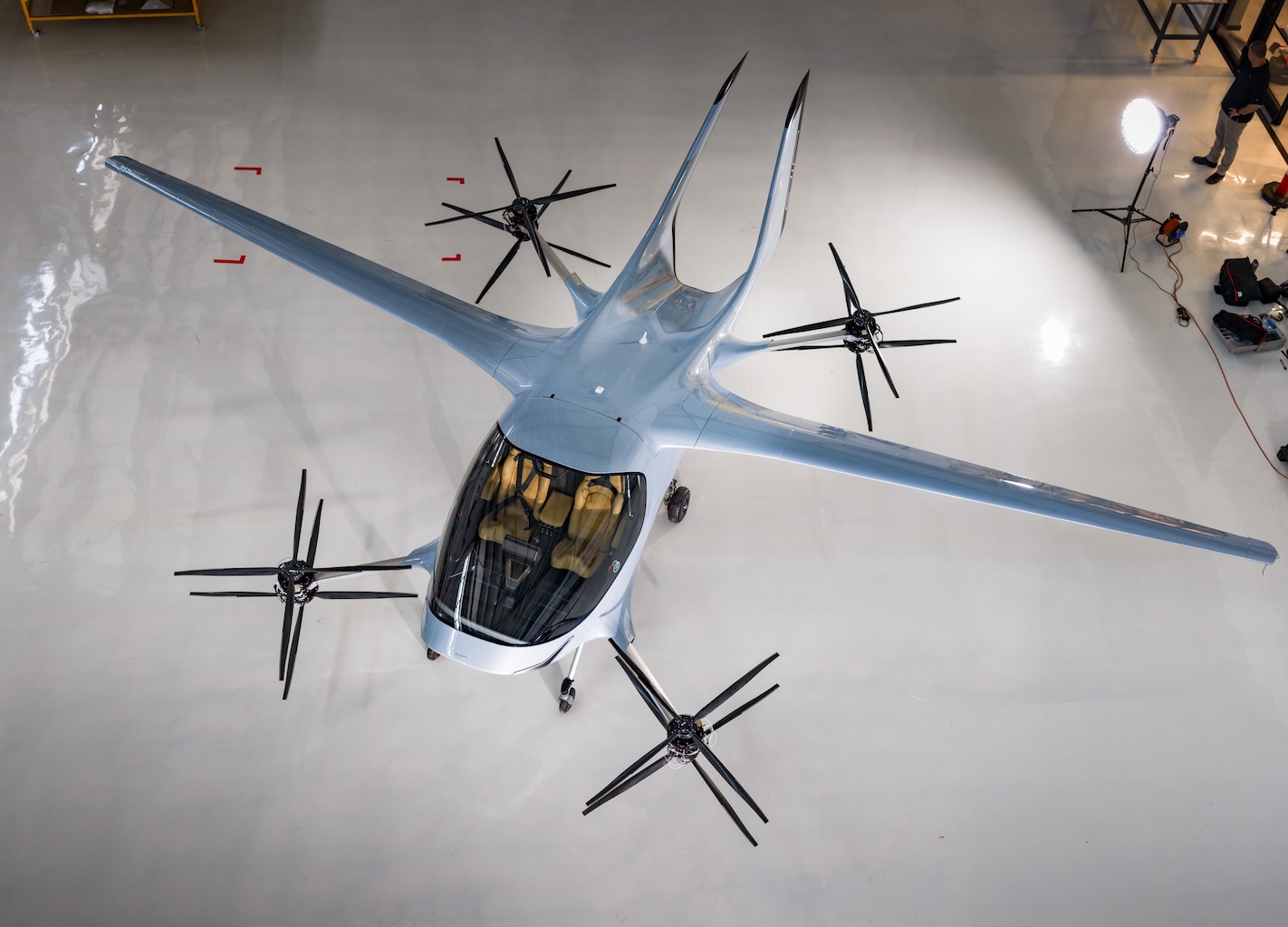
The latest configuration also features custom electric motors developed with NIDEC, an updated aircraft battery, and refinements to the propulsion system.
Together, these changes support the aircraft's continued development toward reliable, repeatable flight performance.
Inside the cockpit, the improvements are more immediately noticeable.
AIR ONE now incorporates Dynon Avionics' SkyView HDX flight display system, along with an overhead cockpit panel, premium seating, and redesigned ergonomics.
These updates are intended to make the aircraft's controls and information easier for pilots to access and understand.
And that matters because one of AIR ONE's defining ideas is that advanced aircraft technology should make flying more intuitive, not more complicated.
Designing Around the Person Flying
A cockpit is where years of engineering meet the person operating the aircraft.
The placement of a display, the accessibility of a control, or the way information is organized can influence the entire flying experience.
That's why the latest AIR ONE configuration includes changes that go beyond propulsion and structural performance.
The updated seating, overhead panel, and cockpit ergonomics reflect the same design philosophy behind our simplified flight control approach: reducing unnecessary complexity while keeping the pilot informed and in control.
For a personal aircraft, the experience inside matters just as much as the technology making it fly.
From Oshkosh to Piloted Flight Testing
EAA AirVenture Oshkosh brings together aircraft manufacturers, engineers, pilots, and aviation enthusiasts from around the world.
It was a fitting place to introduce the latest evolution of AIR ONE and give the aviation community an opportunity to see the aircraft up close.
But the unveiling wasn't the end goal.
This configuration was developed specifically to support piloted flight testing planned for later in 2026, marking the next phase of the aircraft's development program.
The work ahead involves validating how the updated systems perform together and continuing to refine the aircraft through flight experience.
Because the path from a prototype to a practical personal aircraft isn't defined by one successful flight or one major unveiling.
It's built through thousands of engineering decisions, each informed by what came before.
And AIR ONE's latest configuration brings those decisions together in one aircraft.